Hai Chau, Da Nang: Exploring the City's Central District
Explore Hai Chau, Da Nang's central district, where markets, cafes, riverside walks and everyday city life come together. Discover what it is like to stay here and whether it suits your travel style.
Introduction
Hai Chau sits along the western bank of the Han River at the centre of Da Nang. As the city's central district, it brings together markets, government offices, cafes, neighbourhood streets and many of Da Nang's best-known landmarks. For those deciding where to stay, it offers a different experience from the beachside neighbourhoods, placing everyday life at the centre of your visit.
Throughout the day, students move between classes, office workers pause for lunch and shop owners greet regular customers. The pace shifts from morning errands to midday meals and quieter evening strolls along nearby streets.
Rather than revolving around a single attraction, Hai Chau reveals itself through everyday movement. Spending time in Hai Chau offers a way to observe the routines that quietly support the wider city, revealing a side of Da Nang shaped as much by everyday life as by its well-known landmarks.
Everyday Life in Da Nang's City Centre
Many of Da Nang's administrative buildings and business offices are located in Hai Chau, making the district an important centre for work and daily services.
During the morning commute, motorbikes pass steadily through intersections as people travel between the city's different neighbourhoods and workplaces. By midday, small eateries and casual restaurants fill with office workers and students taking a short break before returning to the afternoon's responsibilities.
This steady movement gives the district a sense of structure. Rather than feeling overwhelming, the day unfolds in familiar patterns shaped by work, errands and daily routines.
For visitors, this rhythm offers a different perspective on Da Nang. Instead of beaches and resorts defining the experience, Hai Chau reveals the routines that keep the city moving everyday.
Landmarks and Public Spaces
A number of well-known places in Da Nang are located within Hai Chau, helping visitors understand the layout of the city centre.
Rather than being concentrated around a single attraction, many of the city's cultural, historical and civic landmarks are woven naturally into the district, making them easy to explore together on foot or over the course of the day.
Near the Han River stands the Dragon Bridge, stretching across the water toward the eastern side of the city. A short distance away, the Da Nang Museum of Cham Sculpture preserves artefacts from the ancient Champa civilisation, offering insight into the region's history.
Further inland, Da Nang Cathedral, recognised for its pink facade, reflects a period of French colonial influence. Along the riverfront, APEC Park provides an open public space where people gather in the evenings or pause during a walk beside the water.
Together, these places sit naturally within the wider district, connected by streets where daily life continues around them.
Markets and Everyday Commerce
Commerce shapes much of the atmosphere in Hai Chau. Two of the city's central markets, Han Market and Con Market, draw both residents and visitors throughout the day.
Inside the market halls, vendors sell fresh produce, clothing, dried goods and prepared meals. The surrounding streets continue this activity outward, with small shops and family-run businesses serving the needs of nearby neighbourhoods.
Morning hours bring the greatest activity as shoppers arrive for groceries or morning meals. By afternoon, the pace becomes more relaxed, although the markets continue to serve residents, workers and visitors throughout the day.
Walking through these areas offers a practical view of the city, where markets remain an essential part of daily routines.
Streets Beyond the Main Roads
While larger streets carry most of the traffic, smaller residential streets reveal a quieter layer of the district.
Laundry hangs from balconies, neighbours exchange greetings outside their homes and the scent of cooking occasionally drifts into the street. Small altars or shrines sometimes appear near doorways or inside shopfronts, reflecting traditions that remain part of everyday life.
These quieter streets rarely appear on sightseeing itineraries, yet they offer a clearer sense of how Hai Chau is lived in rather than simply visited.
Moving slowly through these residential streets reveals details that are easy to overlook. Everyday routines continue quietly around you, offering one of the clearest glimpses into the character of the district.
Cafes and Coffee Culture
Coffee culture in Da Nang is part of daily life across the city and in Hai Chau it becomes especially visible in the rhythm of the district.
Some cafes sit along busy streets, where customers watch the steady flow of motorbikes and pedestrians. Others are tucked into quieter corners where conversations last a little longer and the pace feels more relaxed.
Stopping for coffee here is as much about the pause it creates as the drink itself. These moments naturally sit between market visits, riverside walks and neighbourhood exploration, becoming part of the daily flow.
Experiencing Hai Chau on Foot
One of the easiest ways to understand the district is simply to walk through it.
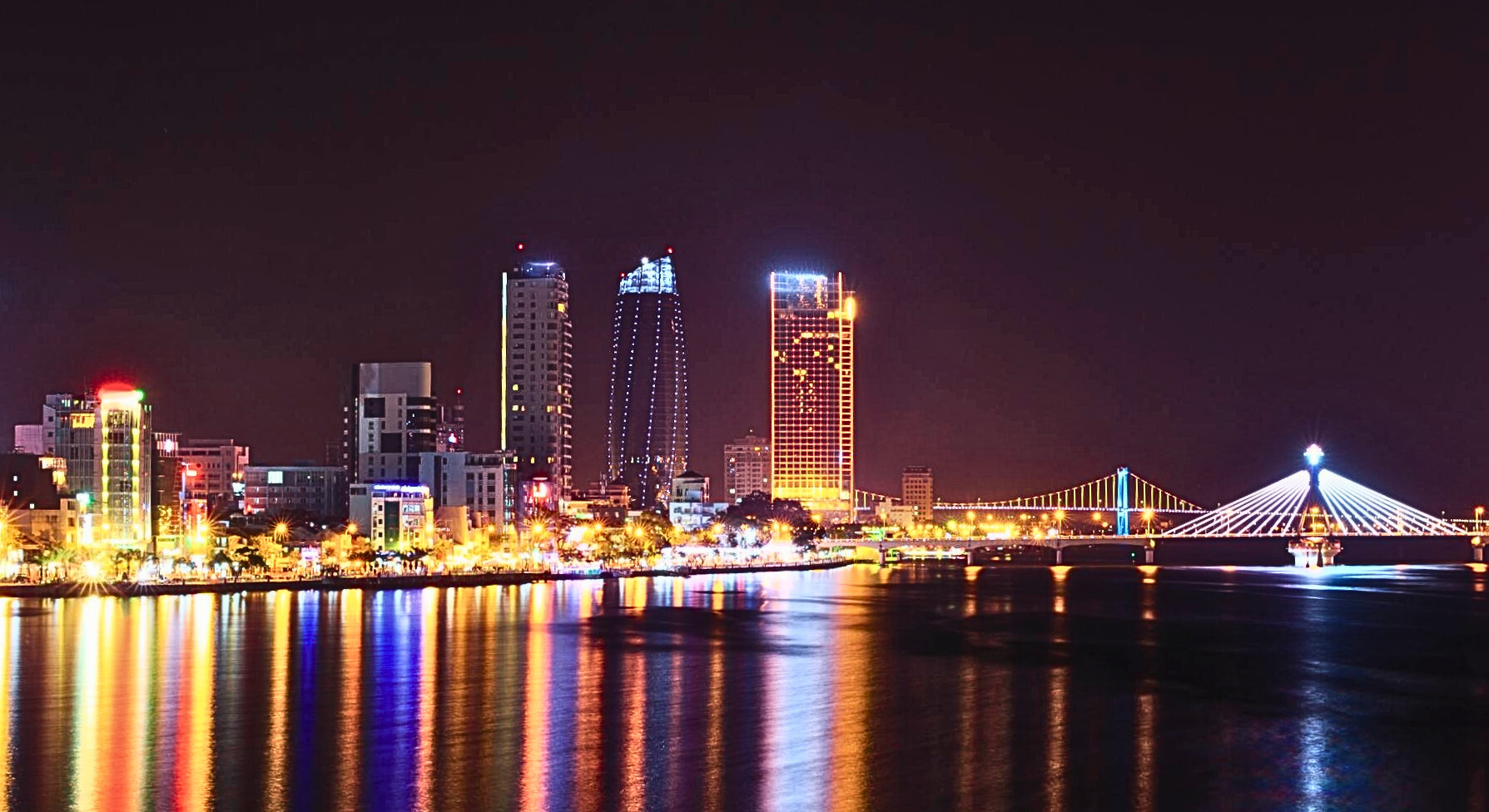
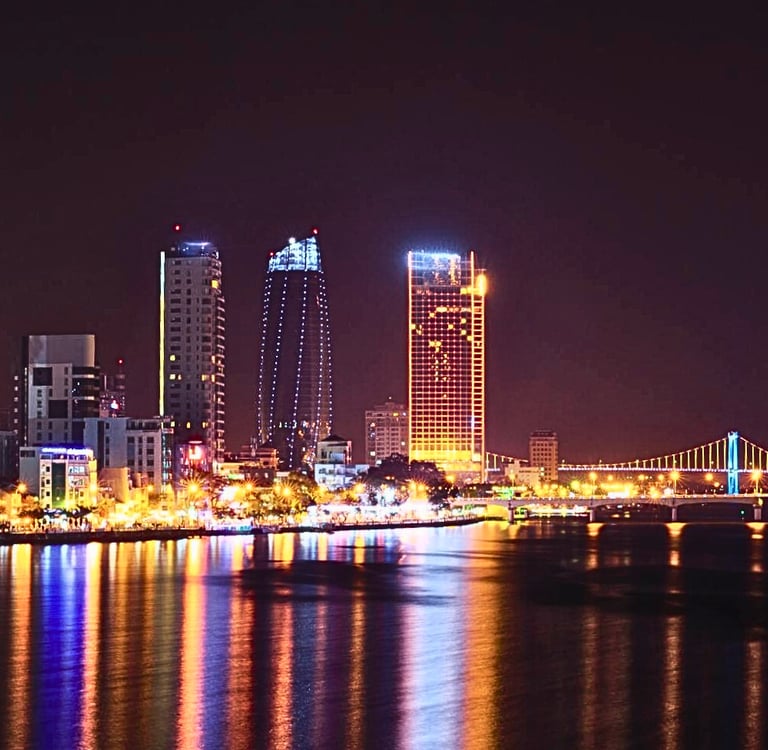
A short walk might begin near the Han River, pass by cafes and small shops and continue toward market streets where vendors prepare food or arrange goods for the day. In the evening, the riverfront becomes a natural gathering place as the temperature cools and lights reflect across the water.
Moving through these streets slowly reveals how the district connects landmarks, markets and neighbourhood spaces into one continuous urban landscape.
Staying in Hai Chau
Disclosure: The interactive map below contains affiliate links. If you choose to book through them, Worldugo may earn a small commission at no additional cost to you.
Staying in Hai Chau places you within the everyday rhythm of Da Nang's city centre where markets, cafes and riverside streets are all within easy reach.
Accommodation here includes city hotels and serviced apartments, many located close to central streets and neighbourhood dining spots. The district also includes a number of larger hotels near the Han River, giving travellers a range of options depending on their preferred setting and travel style.
Using the interactive map below, you can explore hotels and apartments throughout Hai Chau and choose a location that suits how you want to experience the city.
Final Thoughts
Hai Chau represents an essential part of Da Nang's urban character. Offices, markets, neighbourhood businesses and public spaces combine to create a district where the patterns of everyday life remain visible throughout the day.
Exploring these streets offers a clearer understanding of how the city functions beyond its coastline. Between market halls, cafes, riverfront paths and residential lanes, the district reveals a quieter but meaningful dimension of Da Nang.
Explore More
Join The Journey
© 2025. All rights reserved.