The Seasons of Da Nang: How Weather Shapes the City
Understand the seasons in Da Nang, Vietnam, from the dry season through the monsoon months and how changing weather can shape your time in the city.
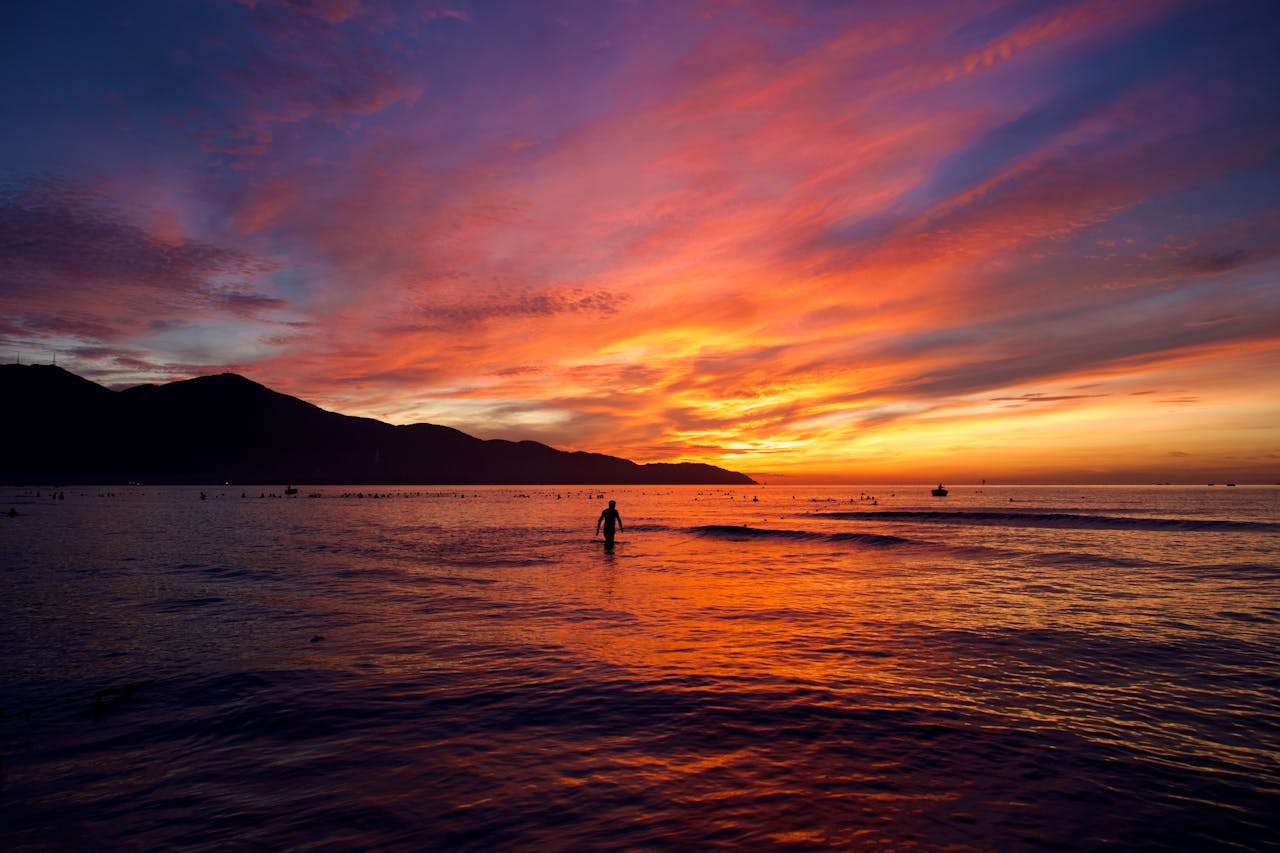
Understanding the Seasons in Da Nang
Da Nang responds to seasonal shifts in light, temperature and rainfall. The sea can appear clearer or more textured, the air may feel lighter or more humid and outdoor routines adjust accordingly. Rather than looking for a single ideal month, it helps to understand how the city moves through the year and choose a time that suits the way you prefer to travel.
Da Nang has a tropical monsoon climate with two main seasons, a dry season from January to August and a wetter monsoon season from September to December. Understanding these seasonal patterns makes it easier to decide when to visit, especially if time outdoors or along the coast is central to your stay.
For many travellers wondering about the best time to visit Da Nang, the answer depends less on a single month and more on whether you prefer the stability of the dry season or the quieter atmosphere of the rainy season.
With that in mind, here is how each period typically feels.
If the Beach Is Central to Your Visit
If swimming, shoreline walks or extended time by the water are important to you, sea conditions will matter more than temperature alone.
From March through August, conditions for swimming and time by the water are generally more consistent. This is particularly noticeable along the coastline of My Khe Beach, where mornings are often clear, water temperatures are warm and the surface of the sea is generally calmer. During these months, swimming tends to feel straightforward and the beach supports relaxed daily routines.
As the year moves into September, rainfall becomes more frequent. October and November are commonly the wettest months and sea conditions may vary more during the monsoon period. The beach remains open throughout the year, but the experience of the water can shift from week to week during wetter months.
If reliable swimming is a priority, planning within the dry season offers the most stability and generally aligns with what visitors consider the best beach months in Da Nang.
If You Prefer Exploring and Moving Through the City
Some travellers focus less on swimming and more on exploring neighbourhoods, driving coastal roads and spending time outdoors.
January through March often provides balanced conditions for this. Temperatures are warmer but manageable, rainfall is lighter and visibility is frequently clearer. Coastal viewpoints, particularly around the Son Tra Peninsula, can be especially rewarding when skies are open and the horizon is visible.
By late spring and into summer, temperatures gradually increase. Exploration remains very possible, but early starts and midday breaks become more practical. During the monsoon months, outdoor plans benefit from flexibility, as rainfall can vary across the season.
If You Value Space and a Quieter Atmosphere
Da Nang's rhythm also reflects domestic travel patterns. June through August is typically the livelier period, particularly around the beachfront and river areas, as domestic travel increases during the warmer months.
September and December can feel calmer. while October and November generally bring more rainfall. Wetter conditions can influence how much time people spend outdoors and how some public spaces feel. If you prefer a more spacious experience of the city, travelling outside the livelier summer period may suit your pace better.
If Heat Influences Your Comfort
From May through July, temperatures rise and humidity increases during the later dry season months. Midday hours can feel warm and outdoor activity is often more comfortable in the early morning or later afternoon.
The longer daylight hours can make this a rewarding time for spending time outdoors, but it can also mean adjusting the pace of your day. Coastal walks, sightseeing and other outdoor activities can be easier to enjoy earlier in the morning, with a slower pace or break during the warmest parts of the afternoon.
For more moderate temperatures, January through early March can feel more comfortable for extended time outdoors, particularly if you plan much of your visit walking or exploring.
If Rain Does Not Deter You
The monsoon season, generally September through December, brings increased rainfall and humidity. September, October and November are typically the most active months for storms and sea conditions may shift during this time.
Despite the wetter conditions, much of daily life continues as normal. Cafes remain open, neighbourhood routines carry on and outdoor plans may need to be adjusted around the weather. The coastline can also take on a different character as shifting light, cloud and rainfall move across the city.
For travellers visiting during the monsoon season, rainy days in Da Nang can reveal a different side of the city.
Choosing with Intention
Rather than searching for the perfect window to visit Da Nang, consider what matters most for your trip.
If dependable swimming defines your visit, the dry season offers the most consistency. If exploration and outdoor movement are central, the earlier months of the year tend to provide balance. If you prefer a livelier atmosphere, June through August can bring more activity, while the wetter months offer a different pace and require greater flexibility.
Da Nang does not present a single ideal time to visit. It offers seasonal variations, each with its own rhythm.
The most thoughtful choice is not about chasing a forecast, but about aligning your visit with the way you prefer to experience a place.
Once you have a sense of when you would like to visit, the next question is where to base yourself. Our guide to Where to Stay in Da Nang explores the city's main areas and how they suit different travel styles.
Explore More
Join The Journey
© 2025. All rights reserved.