Son Tra Peninsula, Da Nang: Forest, Coast and Quiet Roads
Explore the Son Tra Peninsula in Da Nang, where forested hills, coastal roads, beaches and viewpoints offer a quieter perspective on the city. Learn what to see, how to visit and what makes this protected peninsula unique.
Introduction
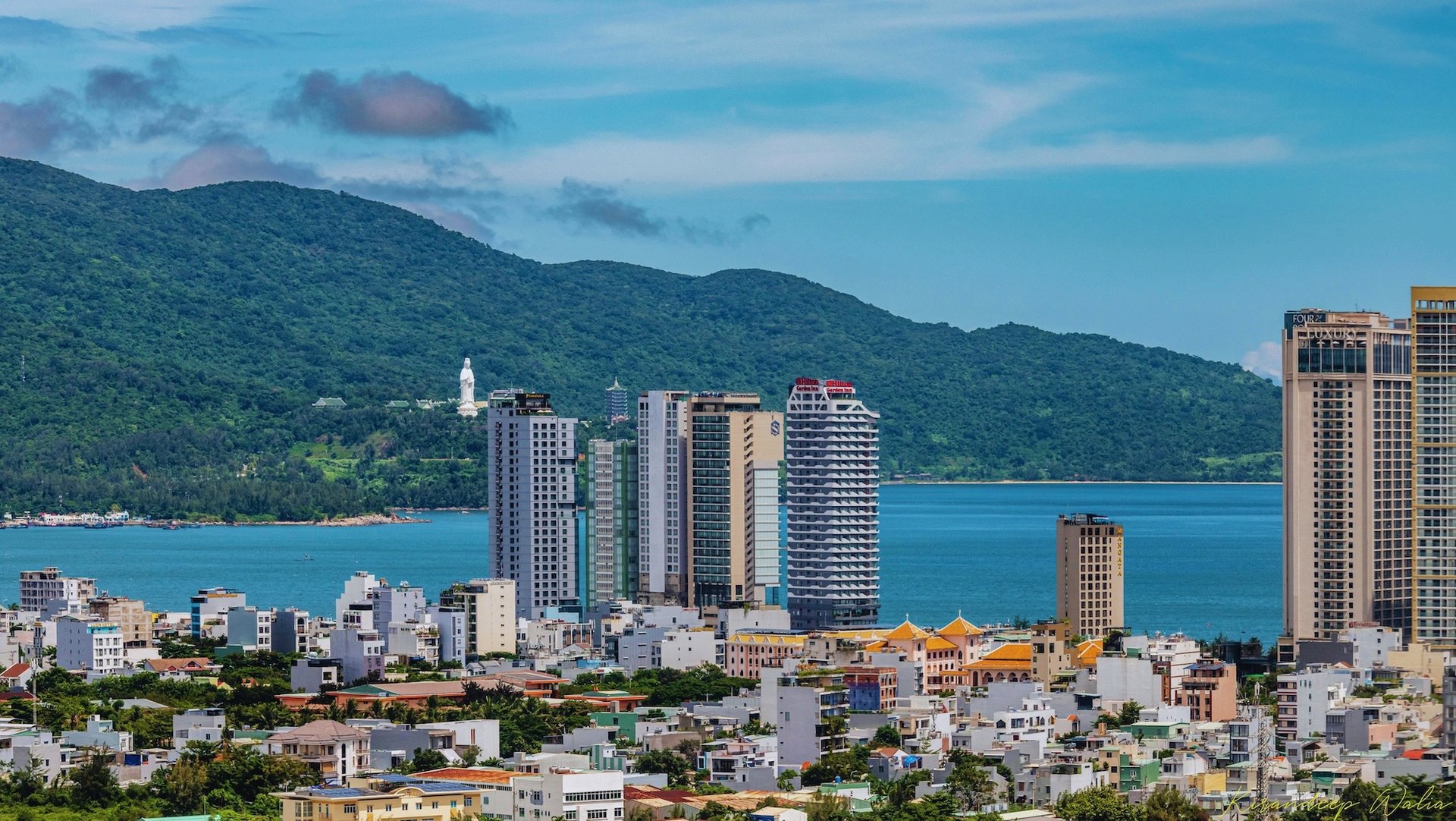
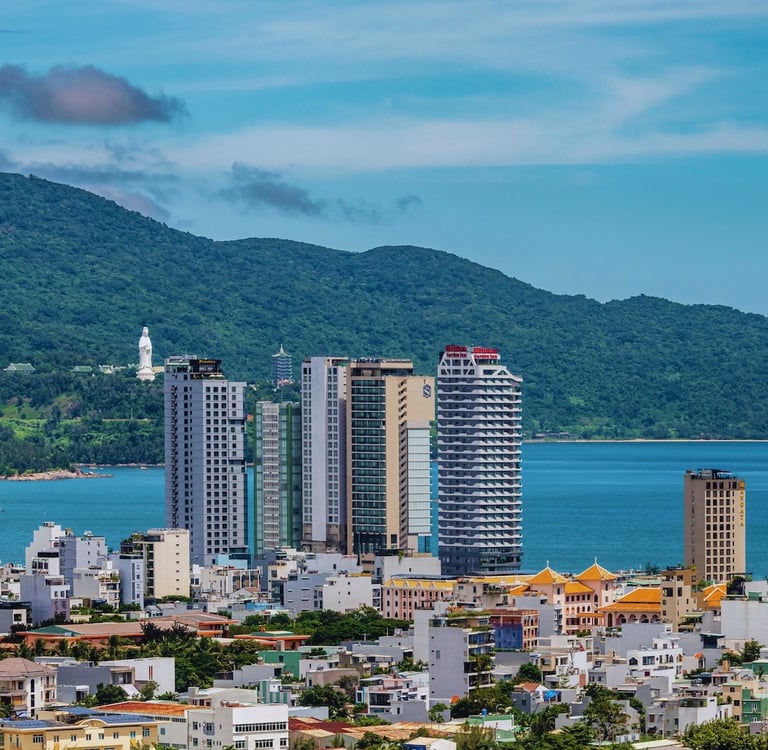
Just beyond the centre of Da Nang, the Son Tra Peninsula is a protected coastal landscape where forested hills, winding roads, quiet beaches and spiritual landmarks come together. It offers an easy way to experience nature without leaving Da Nang behind.
Green slopes descend towards the water, coastal roads curve along the shoreline and pockets of quiet appear sooner than you might expect.
Often called Monkey Mountain, Son Tra feels less like a separate destination and more like a natural extension of the city. Locals come for morning swims, evening rides, temple visits or simply to spend time somewhere greener and less busy. For travellers, it offers a slower counterpart to the city's beaches, neighbourhoods and everyday rhythm.
Rather than being a single attraction, Son Tra Peninsula is experienced through movement, along coastal roads, through forest and between viewpoints that gradually reveal the coastline and the city below.
What Makes Son Tra Peninsula Unique
Son Tra Peninsula's appeal lies in how close it feels to everyday life in Da Nang. One moment you are passing cafes and neighbourhood streets, then a short drive later you are surrounded by forest, open views and the sound of wind moving through the trees.
The peninsula is home to forested hills, beaches, viewpoints, temples and protected wildlife areas. It is also an active part of the city's rhythm. Fishermen launch boats from small coves. Locals pause along the roadside to stretch, talk or take in the view.
Rather than feeling isolated, the Son Tra Peninsula feels gently removed from the pace of the city. It is close enough to visit without planning an entire day, yet far enough away to offer a noticeable change in atmosphere. This balance is part of what makes it one of Da Nang's most distinctive natural spaces.
Coastal Roads and Viewpoints on Son Tra Peninsula
One of the most memorable ways to experience Son Tra Peninsula is by following its coastal roads. As the route climbs between the shoreline and forested hills, views gradually open across the coastline, the city below and out towards the East Sea.
Early mornings often bring a slower atmosphere, with cooler air, softer light and glimpses of fishing activity reflect the peninsula's close connection to life along the coast. Throughout the day, the roads are shared by locals and visitors, with viewpoints inviting you to pause and take in the changing landscape.
There is no need to see every viewpoint or explore every road. Whether you spend a few hours or simply stop along the way, Son Tra Peninsula rewards a slower pace and the freedom to enjoy the journey as much as the destination.
Forest Roads, Wildlife and Quiet Corners
Move inland and the atmosphere changes again. Trees close in, sound softens and the road begins to climb. Forested sections of the Son Tra Peninsula feel shaded and cool, especially in the early hours or after rain.
You may spot monkeys near roads and visitor areas. Son Tra Peninsula is home to wildlife including the rare red-shanked douc langur and rhesus macaques. Feeding or approaching animals can affect their behaviour and wellbeing, so observing them from a respectful distance helps protect both visitors and wildlife.
These moments are part of what makes the Son Tra Peninsula feel different from a typical sightseeing stop. It is a place to experience gradually, through the changing landscape rather than a single viewpoint or attraction.
Linh Ung Pagoda and the Lady Buddha
One of Son Tra's most recognisable landmarks is the Linh Ung Pagoda, home to the towering Lady Buddha statue overlooking Da Nang. From here, views stretch across the coastline and out towards the East Sea.
The pagoda grounds are open and well maintained, with space to walk, sit or quietly observe. Locals come to light incense or pause during their day, while visitors move through at different speeds. Despite its popularity, the area often feels calm, shaped by open space, the sea breeze and a quiet sense of order.
As with all spiritual spaces in Da Nang, including the Marble Mountains, modest dress and respectful behaviour are appreciated. There is no expectation to participate. Simply being present is enough.
Beaches on Son Tra Peninsula
Beaches on the Son Tra Peninsula have a quiet, natural character compared to the more developed beaches along Da Nang's coastline. Small coves and open stretches of sand appear between rocky edges and greenery, many without signage or facilities.
These beaches invite gentle exploration or simple lingering. You might swim, walk along the shoreline, relax in the sun or sit quietly while waves roll in. Locals often visit in the early morning or late afternoon, avoiding the heat of the day.
Their simplicity is part of the appeal. Here, changing light, the rhythm of the tide and the sound of the sea shape the experience, offering a quieter contrast to the more open stretches of My Khe Beach.
How to Explore Son Tra Peninsula
Most visitors explore Son Tra Peninsula independently by motorbike while others choose private transport, ride-hailing services or guided tours depending on how they prefer to experience the area. Roads can be steep and winding, while access may vary with weather and current route restrictions.
A few helpful things to keep in mind:
Wear sturdy footwear if you plan to explore on foot or walk uneven paths
Carry water, especially during warmer months
Drive carefully and be prepared for changing conditions
Allow more time than you expect, as stops tend to happen naturally
Disclosure: Some links in this post are affiliate links. If you choose to book through them, we may earn a small commission at no extra cost to you.
A half-day guided experience that includes Son Tra Peninsula can be a practical option for travellers who prefer not to organise transport themselves while gaining local insight into some of Da Nang's natural and cultural highlights. Options are available for both a morning Son Tra Peninsula tour and an afternoon Son Tra Peninsula tour, allowing visitors to choose a time that best suits their travel style.
A Quieter Side of Da Nang
Son Tra Peninsula reveals a softer edge of Da Nang, one shaped by landscape rather than routines. It is a place where forest, coastline and open roads create a different rhythm from the city's busiest streets, while still remaining closely connected to everyday life.
It is a place to step away briefly, breathe a little deeper and notice how the city loosens at its edges.
You may not remember every viewpoint or bend in the road. What often stays is the feeling of space, moving without urgency, with forest giving way to sea and the city waiting quietly below.
Sometimes, that is enough.
Looking for more places to explore during your stay? Our guide to Day Trips from Da Nang introduces destinations across Central Vietnam that can be experienced from the city, offering a different perspective on the landscapes, culture and history of the region.
Explore More
Join The Journey
© 2025. All rights reserved.